Forty years in the courtrooms. Another apprenticeship under sail — coastal passages, blue-water crossings, and the slow education of wind, current, and weather.
Long before closing arguments and appellate briefs, there were small boats and a Florida coastline with beaches and salt creeks. Sailing started as a way to leave work behind for a weekend and became, over four decades, a second education — one measured in hard-earned wisdom and nautical miles rather than verdicts and judgments.
The trips grew into coastal passages, then offshore legs, explorations of the Bahamas, then full ocean crossings — each one a study in patience, preparation, and respect for a sea that does not care about a trial calendar.
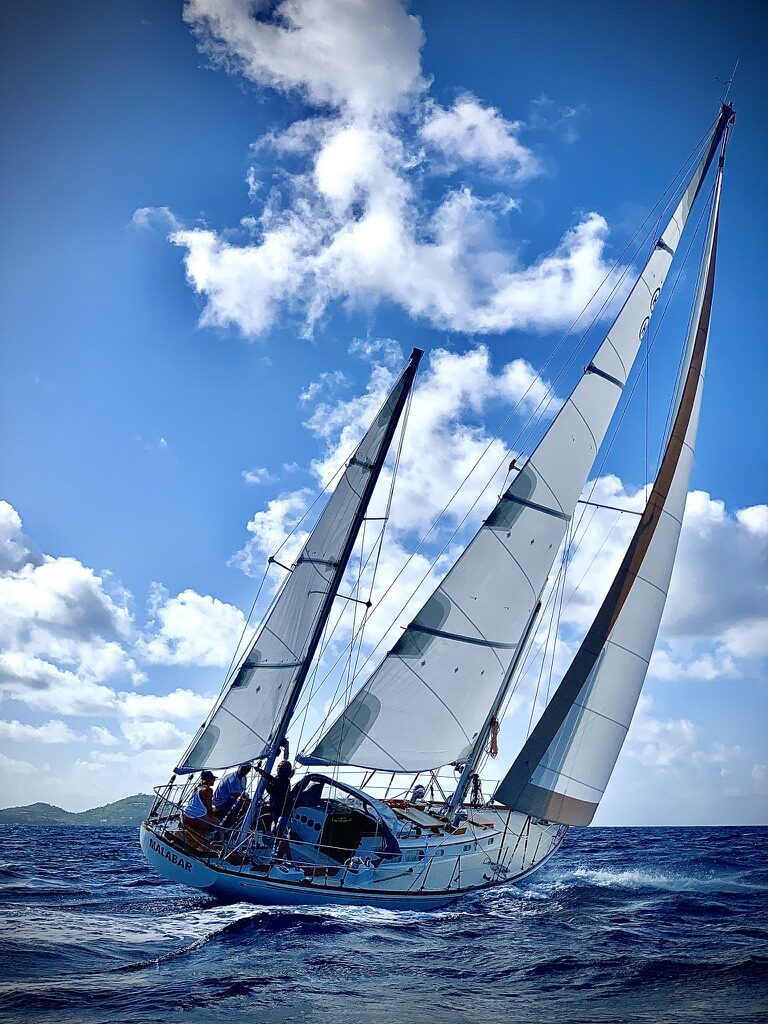
Malabar left Southwest Harbor, Maine in June 2024, bound for Europe by way of the Azores — a boat freshly refit after back-to-back Category 5 hurricanes in the Caribbean, and a captain who thought he was ready. He wasn't wrong about the boat. Cold Gulf of Maine water, sleep deprivation, and long stretches of whale-watching gave way, once past the Gulf Stream, to a morning when the wheel spun free in his hand. Below, the autopilot ram had sheared from the rudder post and the steering cables had jumped their sprocket — almost certainly a collision with something unseen, half-submerged, in the dark. A jury-rigged fix, talked through by satphone with the Hinckley yard in Maine, held just long enough for three days and nights of hand-steering to the nearest harbor.
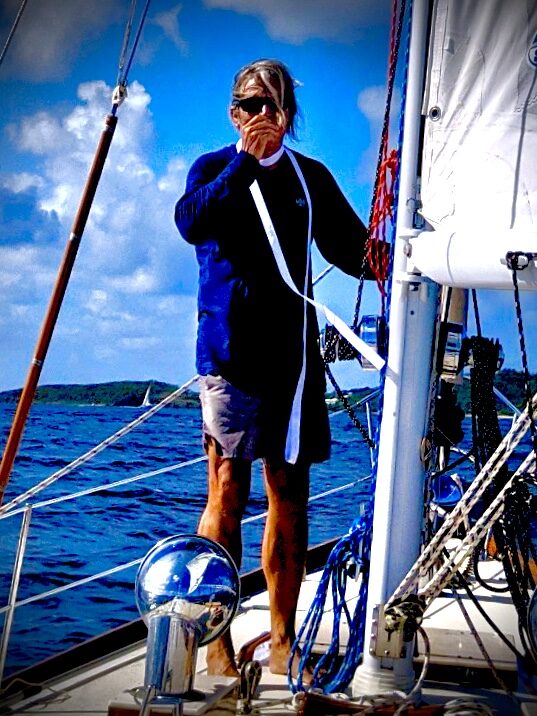
A year and a full rebuild later — new heater, new autopilot, new steering gear, spares for the spares — Malabar sailed out of Southwest Harbor again, solo, in June 2025. A gale off Cape Sable put her through her paces; sailing on under a double-reefed main and staysail was the better bet over heaving to, though the cross-seas eventually threw her captain headfirst into the stove, breaking his wrist (a fact he wouldn't learn until a Mayo Clinic visit six weeks later). A furling jam, a headsail lost overboard and hauled back aboard, a snapped lifeline, and one more gale before landfall — sixteen days and roughly 2,000 nautical miles out of Maine, the volcano of Pico rose out of the Azores on the horizon, the same sight Joshua Slocum described in 1895. Five days in Horta for repairs, then back out for the final leg to Europe — a last gale off the Portuguese coast, and on July 3rd, anchor down at last off Cabo São Vicente. The next day, Independence Day, he motored up the canal to Lagos under the Stars and Stripes to clear customs.


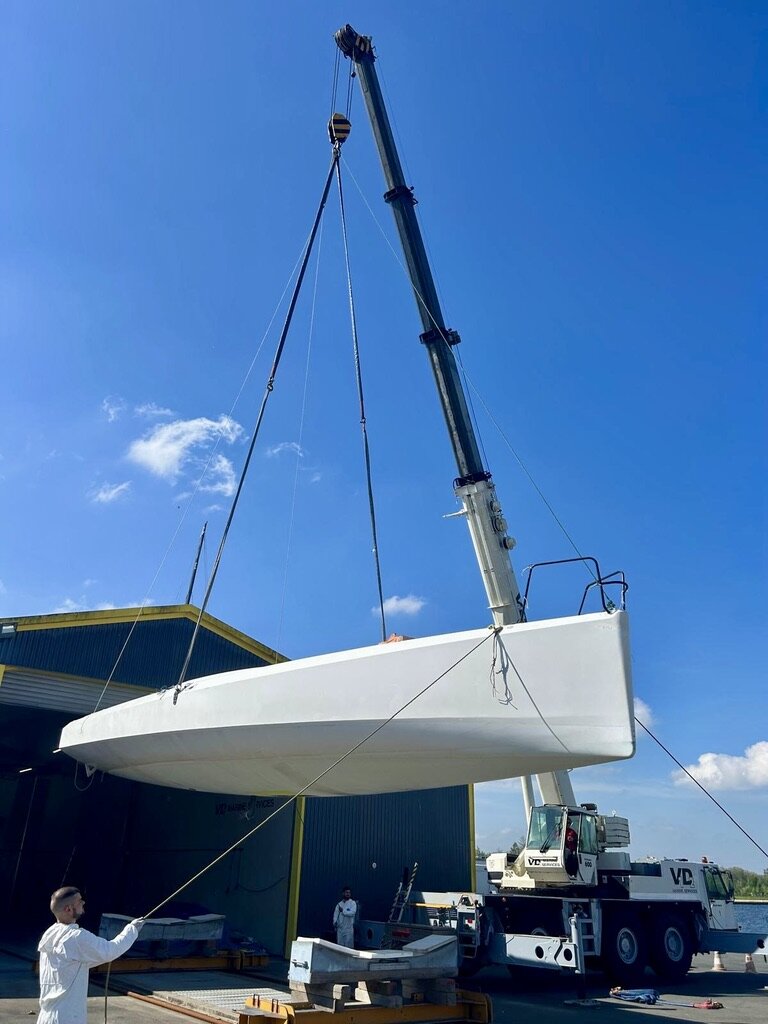
Guerrera's proposed programme for a solo, nonstop circumnavigation attempt — commissioning in the Solent, working south and west through qualifying passages, solo and double-handed.
The Solent gives good protected water for day sailing
Solid week sailing ending Haslar or Cherbourg
Maintenance and checking, sailing day or 2 with Cris when they arrive boat
Training — following the weather, short stop Coruna, maybe Azores
Training ending up in Madeira or Canarie Islands
Rufus away 2 weeks, Josh at boat maintenance/checks
Josh routing, etc. and meet boat Recife
Rufus home Thanksgiving, Josh prep boat next leg — etd Recife 29/30 nov
Aim to arrive Cape Town ahead of Christmas
Rufus home, Josh at boat, maintenance and checks and servicing starts
Maintenance and checks, Rufus home, Josh at boat
Training sailing out of Cape Town
Rufus home, Josh home, boat Cape Town
Some days final prep Cape Town, Josh routing, etc.
Josh meet boat Recife
Rufus home, Josh prep boat for next leg
Josh routing, etc.
Josh routing, etc., joins boat Horta
Rufus home for a week, Josh prep boat
Antifoul, new rods, running rigging, any mods found whilst sailing
New sails bent on. Food aboard, etc.
More sailing double Rufus to boat for 15th
As much sailing as possible
Rufus home, Josh prep boat
Day-to-day updates, photos, and video live on Instagram and Facebook — the website gets the long version.